Find out how our language, Bengali, evolved because of cultural interactions. Here, we examine the analysis done by Narayan Haldar on Tatsama, Tadbhava, and the “guest words” in the Bengali vocabulary
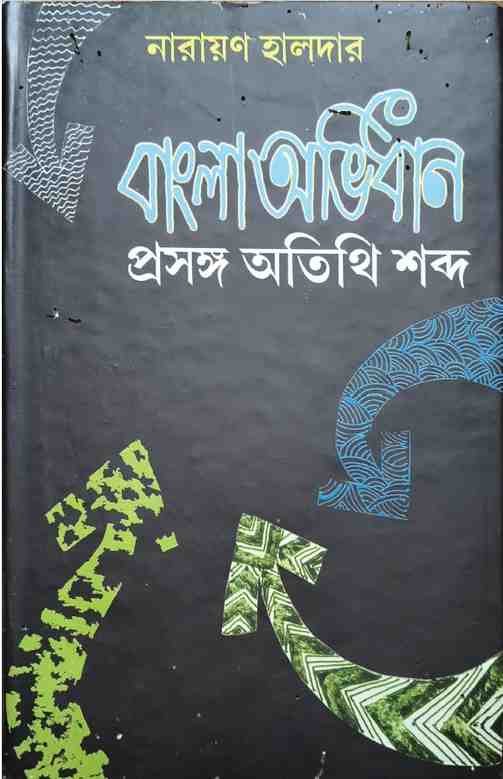
The Evolving Language: How Bengali Absorbs The World
No language remains fixed; it undergoes transformation and evolves over time, depending on the time period, environment, and people. As discussed by the author Narayan Haldar in his thought-provoking book, Bangla Obhidhan: Prosongo Otithi Sobdo, the author describes the extensive vocabulary of the Bengali language (Shabdobhandar).
Criteria for Being a Rich Language According to the author
some of the criteria that define a great language include
- The Number of Speakers: It makes sense since the number of speakers of Bengali language is immense all over the world.
- The Vocabulary of the Language: Although English has one million words, Bengali has around five hundred thousand and is increasing.
- Literary Capacity of the Language: Ability to convey various and complex ideas.
- Expansion in Geographical Area and Literature: Scientific and Philosophical texts.
Three Main Pillars of the Word Wealth of Bengali
there are three main pillars forming the word wealth of Bengali language:
1. Inherited Words
These include the words coming from ancient Aryan Indian languages – Vedic and Sanskrit.
- Tatsama: Unchanged words coming directly from Sanskrit (Nara, Jala).
- Ardha-tatsama: Slightly changed from Sanskrit (Nimantran → Nemetanna).
- Tadbhava: Changed considerably after some time from Prakrit (Danta → Dant → Daat).
2. Loanwords (Agantuk, The “Guest” Words)
The main interest of Haldar in his article was the “Guest” words – the words borrowed from the foreign culture, different from original Aryans culture.
- Desi: indigenous words from different cultures that are not originally Aryan, e.g. Santhali or Austric (Kancha, Kangal).
- Foreign (Bideshi): Words borrowed from other nations due to their contacts around the globe: Arabic, Persian (Ayn, Zila, Khachha, Shohor). Portuguese (Anarosh, Almari, Chabi, Janala), English (Office, College, Train, Phone). Dutch (Iskabon), Japanese (Rickshaw), Chinese (Cha), Turkish (Kanchi).
3. Neologisms
Newly created words are actively used in modern Bengali language:
- Clipped words (Microphone → Mike).
- Portmanteau (Jorkolom) (Dhnoa + Kuasha = Dhnoasha).
- Hybrid words (Sankar) (e.g., Head-Pandit—English + Sanskrit).
Social Status of Words
n interesting feature pointed out by Haldar is the “social status” of foreign words.
- As he puts it:English words are associated with the “educated” and “cultured.
- “Hindi words find their way into our everyday vocabulary through films and songs.
- Social Taboos: At times words aren’t taboo because they are “slang,” rather, due to cultural boycotts (like choosing the English word “Toilet” over the Bengali word “Paykhana”).
Conclusion
The Bengali language is “a living fossil” of our social, political and economic history. With its open-mindedness in accepting words from across the world, whether administrative Persian or technical English, Bengali has proved its robust nature and inclusiveness.
Wait Book is loading ……………………………….